How to recognize gas line installation errors
Identify common gas line installation errors to maintain safety and efficiency in your home. This guide offers practical tips and insights.
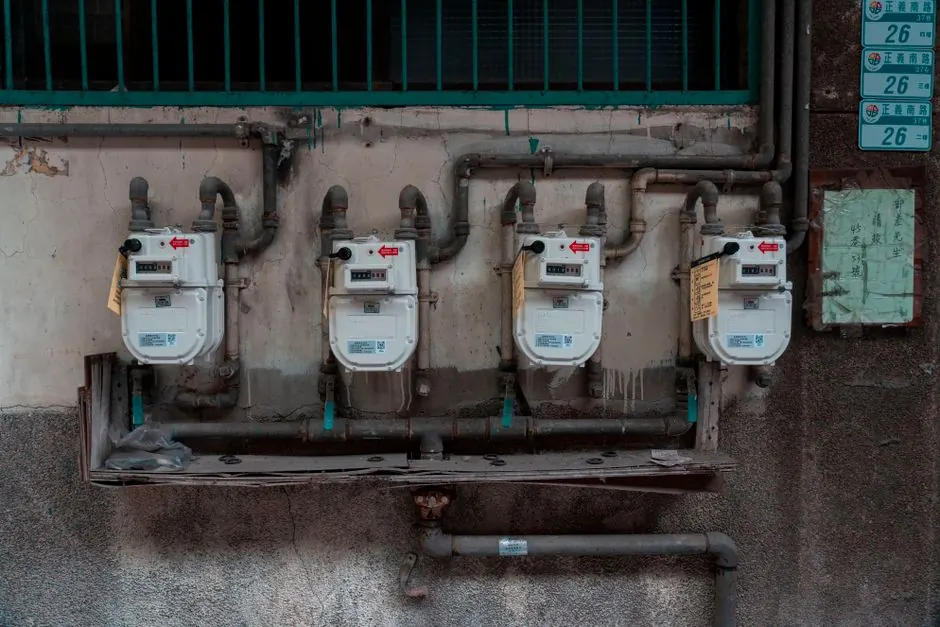
Gas line installation errors can lead to dangerous situations, including gas leaks and explosions. Recognizing these errors early can save lives and prevent costly repairs. This article will cover common installation mistakes, signs of poor installation, and when to call a professional.
Gas line installation errors are mistakes made during the process of installing gas pipes, which can compromise safety and efficiency. Understanding these errors is crucial for homeowners in Alabama who rely on gas for heating, cooking, and other essential functions.
What Are Gas Line Installation Errors?
Gas line installation errors can occur for various reasons, including improper techniques, lack of experience, or failure to follow local codes. These mistakes can lead to leaks, inefficient gas flow, and safety hazards. Homeowners should be aware of these issues to ensure their gas systems function correctly.
Signs of Poor Gas Line Installation
Recognizing the signs of poor gas line installation can help you address issues before they escalate. Here are some common indicators:
- Unusual odors: A sulfur-like smell often indicates a gas leak, which can be dangerous.
- Hissing sounds: If you hear hissing near your gas lines, it may signal a leak or improper installation.
- Inconsistent gas pressure: Fluctuations in gas pressure can indicate installation errors, affecting appliance performance.
- Visible damage: Cracks or corrosion on gas lines can compromise safety and require immediate attention.
In Alabama, it's essential to address these signs promptly. For example, older homes in Birmingham may have outdated installations that need inspection.
Common Installation Mistakes
Several common mistakes can occur during gas line installation, including:
- Using incorrect materials: Not all materials are suitable for gas lines. Using the wrong type can lead to leaks.
- Poor connections: Loose fittings or improper sealing can cause gas to escape.
- Neglecting local codes: Failing to follow Alabama's building codes can result in unsafe installations.
- Inadequate ventilation: Gas lines must be installed with proper ventilation to prevent buildup.
Many homeowners in Huntsville may unknowingly overlook these factors, leading to significant issues.
How to Avoid Gas Line Installation Errors
To minimize the risk of installation errors, consider the following tips:
- Hire a licensed professional: Always use a qualified technician for gas line installation to ensure compliance with safety standards.
- Request inspections: Schedule regular inspections of your gas lines to catch potential problems early.
- Educate yourself: Understanding the basics of gas line installation can help you identify potential issues.
- Follow local regulations: Familiarize yourself with Alabama's gas installation codes to avoid violations.
When to Call a Professional
If you suspect any errors in your gas line installation, it's crucial to call a professional immediately. The risks associated with gas leaks are severe, including potential explosions and health hazards. Alabama Gas Leak Pros offers expert services for gas line repair and maintenance.
Frequently Asked Questions
1. How can I tell if my gas line is installed correctly? Look for signs such as no leaks, consistent pressure, and compliance with local codes.
2. What should I do if I smell gas? Evacuate the area immediately and call emergency services or a gas leak repair professional.
3. How much does it cost to fix gas line installation errors? Repair costs can range from $150 to $1,000 depending on the severity of the issue and local rates.
4. How often should I have my gas lines inspected? Regular inspections are recommended every 1-2 years, especially in older homes.
5. Can I install a gas line myself? It is not recommended; hiring a licensed professional ensures safety and compliance with regulations.